
-
 Позвоните нам +0757 82252350
 -
 Свяжитесь с нами по электронной почте manager@gdboanmachine.com


Случалось ли вам когда-нибудь такое: открывая только что купленную бутылочку с лекарством, первое, что вы видите, — это не таблетки, а пушистый комок ваты? Вы можете подумать, что это просто дополнительный упаковочный наполнитель, или, возможно, за этим скрывается нечто большее? Сегодня Boanmachine проведет вас в подробное исследование этой, казалось бы, незначительной, но удивительно важной детали в фармацевтической упаковке.
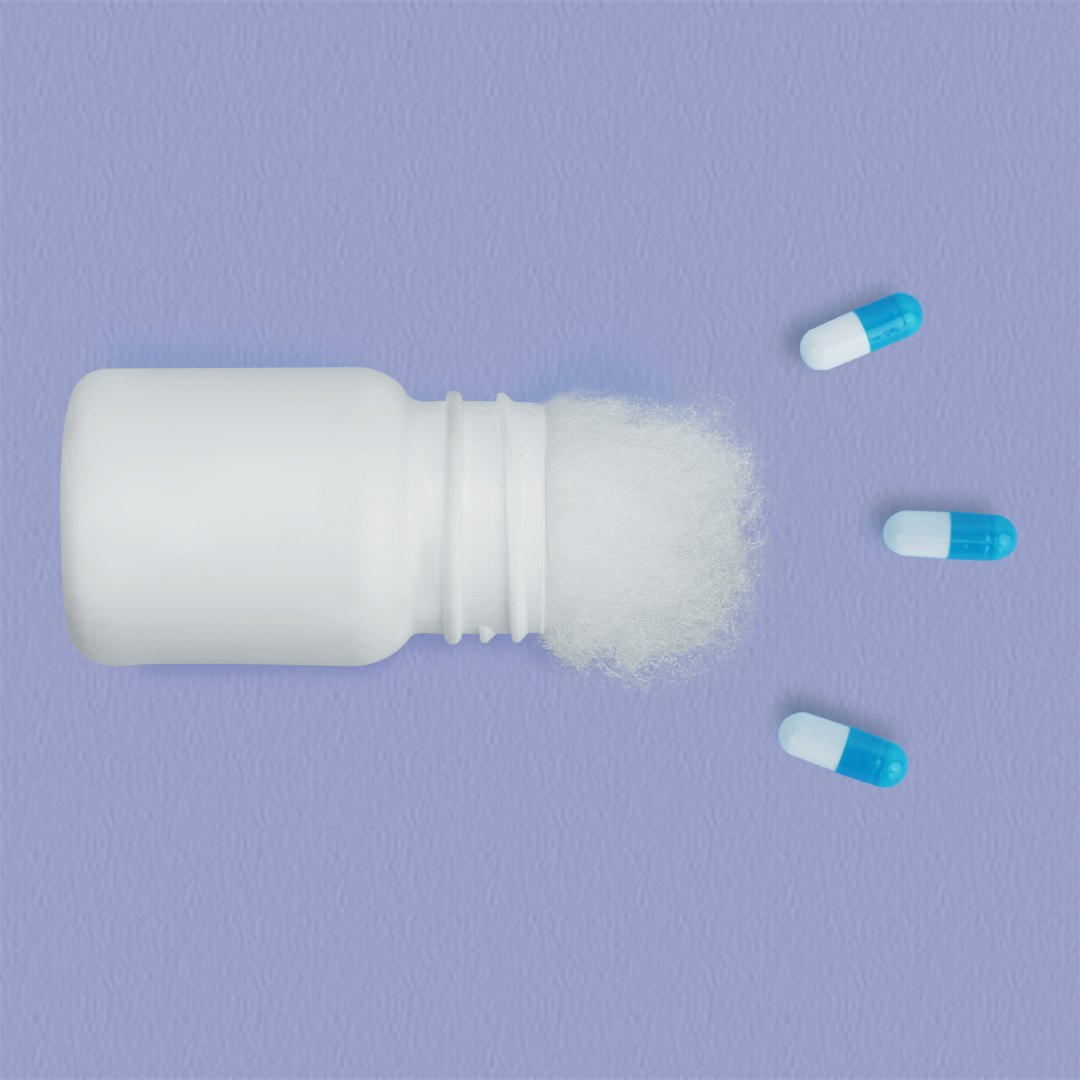
Практика помещения ваты в флаконы с таблетками восходит к временам...начало 20 векаВ то время компания Bayer, производя аспирин, выпускала таблетки, которые прессовались вручную и были относительно хрупкими. Во время транспортировки таблетки ударялись друг о друга внутри флакона, легко повреждаясь или даже ломаясь. Чтобы уменьшить эти повреждения, они начали вставлять в флаконы вату, используя её эластичность для заполнения пустого пространства и удержания таблеток в «устойчивом» положении. Этот простой и эффективный метод быстро распространился по всей фармацевтической промышленности и стал стандартным элементом упаковки на протяжении более ста лет.
С точки зрения инженеров Boanmachine, эта конструкция, хотя и проста, отражает мудрость ранних разработок в области фармацевтической упаковки — решение практической проблемы с использованием наиболее доступных материалов.
Можно подумать, что хлопок используется только для амортизации, но его роль гораздо шире. В современной фармацевтической упаковке хлопок выполняет множество функций:
Это самая оригинальная и основная функция. Таблетки неизбежно подвергаются вибрации во время транспортировки и обращения. Вата действует как мягкая внутренняя подкладка, нежно обволакивая таблетки и уменьшая удары между ними и о стенки флакона. Эта защита особенно важна для таблеток без оболочки или слабо спрессованных таблеток.
Многие лекарственные препараты очень чувствительны к влажности. Хлопковые волокна обладают естественными гигроскопическими свойствами, позволяющими им поглощать небольшое количество остаточной влаги внутри флакона, помогая поддерживать относительно сухую микросреду. Хотя их способность поглощать влагу не может сравниться с профессиональными осушителями, они обеспечивали определенную степень защиты от влаги в эпоху до появления передовых технологий упаковки.
Целый ватный шарик служит для потребителя простым визуальным индикатором: эта бутылка никогда не вскрывалась. Если ватный шарик выглядит потревоженным, смещенным или отсутствует, это служит предупреждающим знаком, указывающим на то, что упаковка могла быть вскрыта. В те времена, когда еще не существовало сложных технологий защиты от подделок, эта простая визуальная проверка давала потребителям определенную уверенность.
Интересно, что со временем у потребителей сформировалось психологическое ожидание, что «бутылка с ватой внутри кажется более свежей и качественной». Эта пушистая белая вата стала ненавязчивым символом качества. Даже сегодня некоторые бренды сохраняют вату специально для того, чтобы удовлетворить это глубоко укоренившееся чувство доверия к продукту.
Если присмотреться, можно заметить, что всё больше и больше флаконов с таблетками на рынке больше не содержат ватный тампон. Это не попытка сэкономить, а отражение прогресса в технологиях упаковки. Компания Boanmachine, сотрудничая со многими фармацевтическими компаниями, внимательно изучила эту тенденцию.
Благодаря достижениям в технологии производства, современные таблетки часто имеют прочное покрытие или изготавливаются с использованием специализированных методов прессования, которые значительно повышают их ударопрочность. Даже без ватного тампона, небольшое встряхивание внутри флакона вряд ли приведет к повреждению.
Широкое внедрениеблистерные упаковкиЭто один из важнейших факторов. Каждая таблетка герметично упакована в отдельный отсек, что полностью исключает возможность столкновения. Даже для лекарств во флаконах точность наполнения сегодня чрезвычайно высока: таблетки плотно упакованы друг к другу, оставляя минимальное пространство для перемещения.
Осушители фармацевтического качества (например, силикагель или молекулярные сита)Они обладают гораздо большей эффективностью поглощения влаги по сравнению с хлопком и проходят строгую оценку безопасности для медицинского применения. Они активно и постоянно контролируют влажность внутри флакона, обеспечивая стабильность лекарственного средства на протяжении всего срока годности. Хлопок, при постоянном воздействии влажной среды, может стать рассадником плесени.
На высокоскоростные автоматизированные упаковочные линииВставка ваты — относительно сложный этап. Если этот этап можно исключить за счет оптимизации конструкции флакона, повышения точности наполнения или использования осушителей, эффективность производственной линии значительно возрастет, а затраты снизятся. Это одна из ключевых причин, почему многие крупные фармацевтические компании отказываются от этого метода.
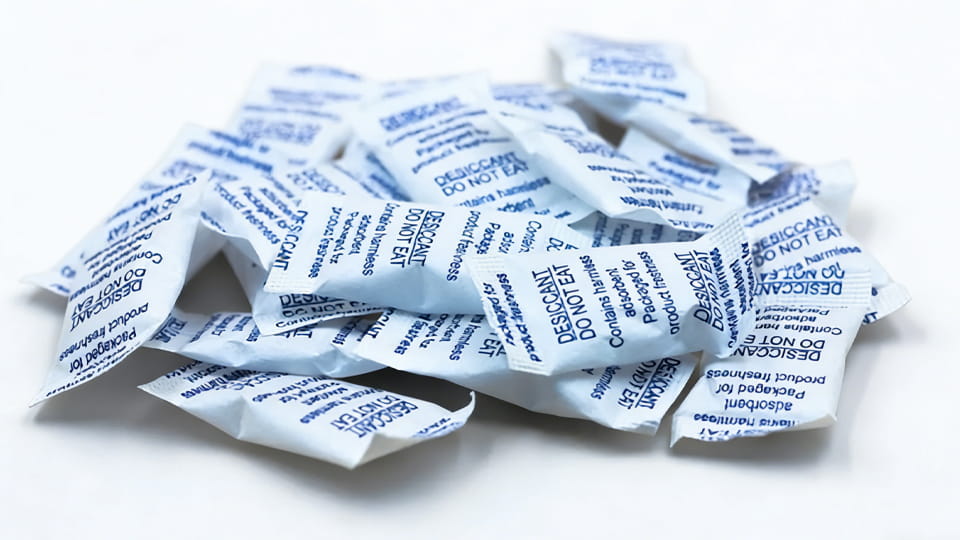
| Особенность | Ватный шарик | Пакет с осушителем |
|---|---|---|
| Основная функция | В основном амортизирующий, с небольшим влагопоглощением. | Профессиональное, активное влагопоглощение для контроля влажности. |
| Эффективность поглощения влаги | Умеренное пассивное всасывание | Высокая, активная адсорбция |
| Амортизационные характеристики | Отличный | Никакой защиты (защита должна обеспечиваться другими средствами). |
| Безопасность | Естественно, но потенциально может способствовать росту бактерий. | Фармацевтический класс, соответствует стандартам GMP. |
| Пригодность для автоматизации | Требуется специализированный вставочный механизм. | Легко внедряется с помощью автоматического дозирования. |
| Текущая тенденция | Постепенно выводится из эксплуатации, используется для производства конкретных продуктов. | Широко распространен и стал общепринятым стандартом. |
Как ясно показывает это сравнение,Осушители — явный лидер в контроле влажности.При этом функция амортизации эффективно обеспечивается более совершенными форматами упаковки. Поэтому философия проектирования современной фармацевтической упаковки заключается в следующем: использование более совершенных упаковочных конструкций (таких как блистерная упаковка, флаконы, изготовленные методом точного литья) для решения проблемы амортизации и применение специальных осушителей для защиты от влаги. Такое сочетание обеспечивает оптимальный уровень защиты продукта.
Это распространённый вопрос. Рекомендация Boanmachine такова:После открытия флакона, пожалуйста, удалите ватный тампон.
Причина проста: вата выполнила свою амортизирующую функцию во время транспортировки. После открытия крышки вата может начать впитывать влагу из окружающего воздуха и потенциально передавать эту влагу таблеткам, увеличивая риск их деградации. Правильная практика — удалить вату, плотно закрыть крышку и хранить бутылку в соответствии с условиями, указанными на этикетке.
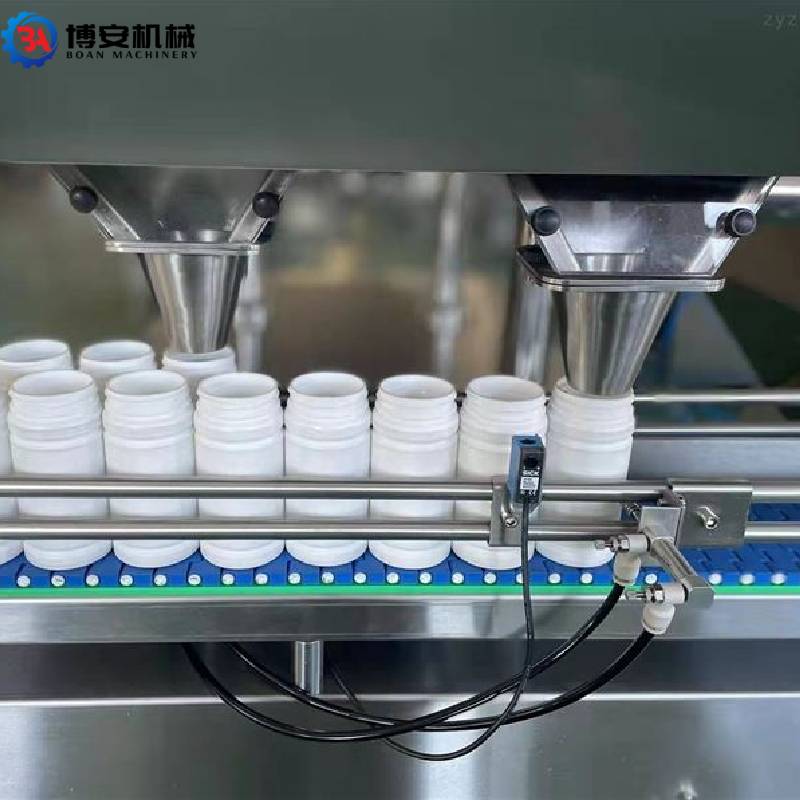
В компании Boanmachine мы понимаем, что каждая деталь фармацевтической упаковки влияет на качество продукции и безопасность пациентов. Для лекарственных препаратов, для которых все еще требуется добавление ватного тампона (например, для некоторых хрупких таблеток, традиционных лекарственных форм), мы предлагаемполностью автоматические устройства для вставки хлопкаЭти машины точно и стабильно помещают стерильные ватные шарики в каждую бутылку со скоростью до сотен бутылок в минуту, полностью соответствуя стандартам GMP.
Для большинства товаров, в упаковке которых используются современные технологии, мы рекомендуем нашу продукцию.высокоскоростные линии подсчета и розлива таблетокинтегрирован савтоматические дозаторы осушителяииндукционные герметикиЭто комплексное решение автоматически управляет всем процессом — от сортировки бутылок, подсчета, наполнения и подачи осушителя до запечатывания и маркировки. Такой подход не только исключает необходимость использования ваты, но и обеспечивает лучшую герметичность швов, превосходную защиту от влаги и значительно повышает эффективность производства.
В компании Boanmachine мы твердо убеждены:Наилучший дизайн упаковки — это тот, который не даёт пользователю понять, что он собой представляет, но при этом обеспечивает продукту наиболее надёжную защиту.Исчезающий ватный шарик — прекрасный пример эволюции этой технологии упаковки.
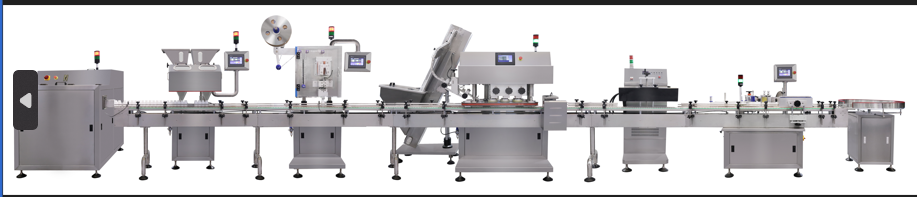
От простого ватного шарика в бутылках Bayer до современных сложных высокоскоростных автоматизированных линий упаковки — эволюция фармацевтической упаковки отражает прогресс всей фармацевтической отрасли. Будь то традиционная вата или современные осушители, цель остается неизменной:чтобы гарантировать, что каждая таблетка дойдет до пациента в идеальном состоянии.
Компания Boanmachine, являясь профессиональным поставщиком оборудования для фармацевтической упаковки, специализируется на предоставлении индивидуальных упаковочных решений для фармацевтических компаний. Если вас интересуют линии подсчета таблеток, устройства для вставки ватных палочек, дозаторы осушителей или другое сопутствующее оборудование, пожалуйста, свяжитесь с нами. Инженеры Boanmachine готовы предоставить профессиональную консультацию.
Часто задаваемые вопросы
В: Во всех ли флаконах с таблетками используется настоящий хлопок?
А: Не обязательно. «Хлопок», используемый в современной фармацевтической упаковке, частосинтетическое волокно(например, вискоза или полиэстер). Эти материалы стерильны, однородны и лучше подходят для высокоскоростного автоматизированного производства.
В: Может ли хлопок полностью заменить осушители?
А: Нет. Влагопоглощающая способность хлопка ограничена, и он не предназначен для длительного поддержания необходимой влажности. Для лекарственных препаратов, чувствительных к влаге, необходимы профессиональные осушители фармацевтического качества.
В: Почему в некоторых импортных флаконах с таблетками до сих пор содержится вата?
А: Возможные причины включают традиционные составы, таблетки со специфическими требованиями к амортизации или сохранение брендом упаковки в соответствии с потребительскими привычками. Однако очевидная технологическая тенденция — это замена хлопка более совершенными методами упаковки.
В: Какое сопутствующее оборудование предлагает компания Boanmachine?
A: Мы предлагаем полный спектр оборудования для фармацевтической упаковки, включая полностью автоматические устройства для вставки ваты, дозаторы осушителя, высокоскоростные линии подсчета и розлива, индукционные запайщики и этикетировочные машины. Все это может гибко комбинироваться в соответствии с потребностями заказчика.

 Jinhai Plaza, No. 21, Jihua 5th Road, Chancheng District, Foshan City, Guangdong Province, China
  +0757 82252350
  +8618613054883
  manager@gdboanmachine.com