
-
 Позвоните нам +0757 82252350
 -
 Свяжитесь с нами по электронной почте manager@gdboanmachine.com


Как упаковка в блистеры и интеллектуальная интеграция производственных линий формируют будущее фармацевтической отрасли?
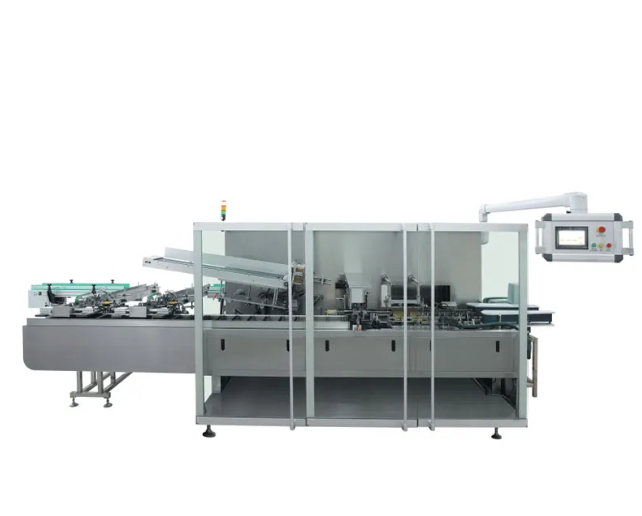
В фармацевтической промышленности,первичная упаковкаОна служит первой линией защиты стабильности лекарственного препарата и является критически важным звеном между производственными процессами и безопасностью пациента. Поскольку это два распространенных решения для высокобарьерной упаковки в разовых дозах, выбор между стриплойной упаковкой и блистерной упаковкой Alu-Alu напрямую влияет на свойства лекарственного препарата.срок годности, производственные затраты и соблюдение пациентами режима леченияВ условиях ужесточения глобальных нормативных требований эффективная интеграция первичной упаковки с последующими этапами производства крайне важна.автоматические картонариимашины для упаковки в картонные коробкистало центральным элементом в создании соответствующих требованиям, гибких и современных производственных линий для фармацевтической промышленности.
В данной статье представлен углубленный анализ обеих технологий упаковки, сравниваются их характеристики и предлагается всесторонняя система выбора для профессиональных читателей, ориентированных на европейский и американский рынки.
Упаковка в стриптиз-пленку — это непрерывный процесс, при котором таблетки или капсулы точно запаиваются между двумя рулонами гибкой ламинированной пленки, образуя отдельные плоские блоки. Ключевая технология заключается в точном контроле термической запайки.многослойные соэкструдированные высокобарьерные пленки.
МатериаловедениеВысокоэффективные пленочные полоски для упаковки обычно имеют 3-5-слойную композитную структуру. Типичная конфигурация включает: внешний слой (печатный слой, например, полиэфирный ПЭТ), внутренний барьерный слой (Алюминиевая фольга толщиной 20-40 микрон(обеспечивая абсолютный барьер от влаги, света и кислорода), а также внутренний термосварной слой (например, литой полипропилен CPP или специальный полиэтилен). Коэффициент паропроницаемости (WVTR) алюминиевой фольги может быть ниже0,01 г/м²/деньс коэффициентом пропускания кислорода (OTR), близким к нулю.
Интеграция процессов и производственных линийУпаковочные машины для ленточной упаковки обеспечивают высокую степень синхронизации операций: размотка нижнего полотна, позиционирование под визуальным контролем, точное дозированное наполнение, нанесение верхнего полотна, термосварка (с помощью прецизионных нагреваемых роликов или плит) и, наконец, высечка или холодная штамповка для формирования отдельных лент. Такая конструкция позволяет напрямую интегрировать машины в производственную линию с последующими этапами.высокоскоростные автоматические картонажные машиныПродукция в виде полос может подаваться непосредственно в процесс упаковки в коробки с помощью конвейеров или роботизированных манипуляторов, достигая скорости более 400 коробок в минуту.
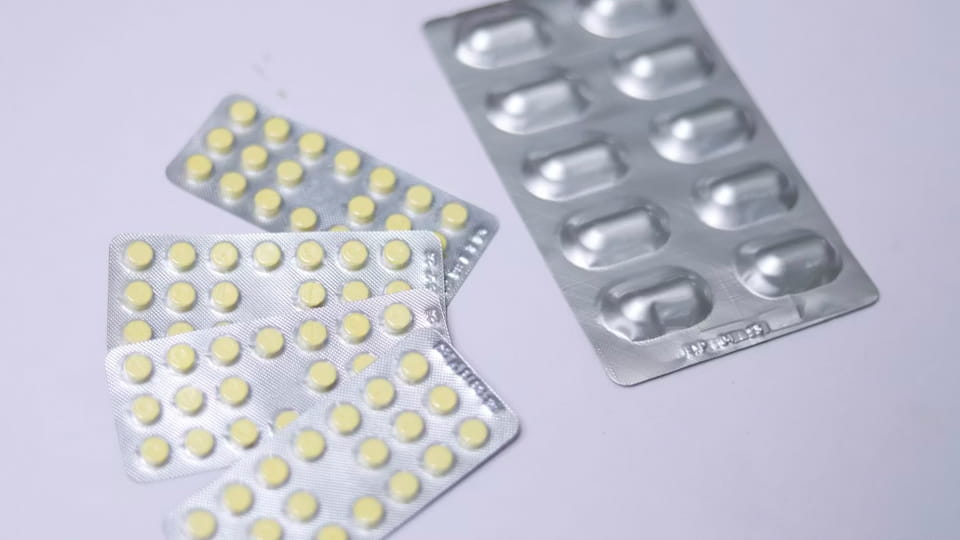
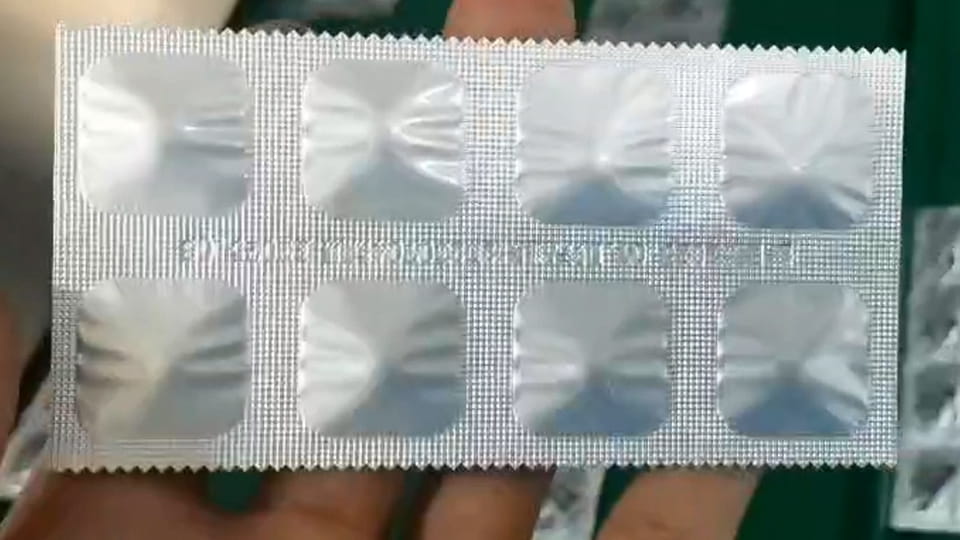
Блистерная упаковка Alu-Alu, также известная как блистерная упаковка холодного формования, представляет собой жесткую цельнометаллическую барьерную упаковку. В ней не используются традиционные пластиковые основы из ПВХ или ПЭТ. Вместо этого она используеттехнология холодной формовкиДля штамповки специально разработанной композитной фольги на основе алюминия при комнатной температуре создаются полости, в которых размещаются таблетки.
Определение и структураЕго полная структура состоит из двух частей:Основание из холодноформованного алюминия (CFA)ифольга для крышкиОснова CFA обычно представляет собой композит из «полиамида (нейлона)/алюминиевой фольги/поливинилхлорида (ПВХ) или полипропилена», где алюминиевая фольга (часто толщиной 45 микрон) обеспечивает основной барьер, нейлон придает прочность, а внутренний слой ПВХ облегчает холодную формовку. Закрывающая фольга отвечает за герметизацию и часто имеет напечатанную на ней информацию о продукте.
Как это работаетНа специализированной блистерной машине холодного формования базовая пленка CFA штампуется в полости стальной формой под высоким давлением — процесс, проводимый при комнатной температуре, что позволяет избежать изменений напряжений в материале, вызванных нагревом. После заполнения таблетки пленка-крышка термически припаивается к фланцу полости. Благодаря своим свойствамцельнометаллическая герметичная конструкцияОно обеспечивает самый высокий из доступных на рынке уровней защиты, полностью блокируя свет, влагу и кислород.
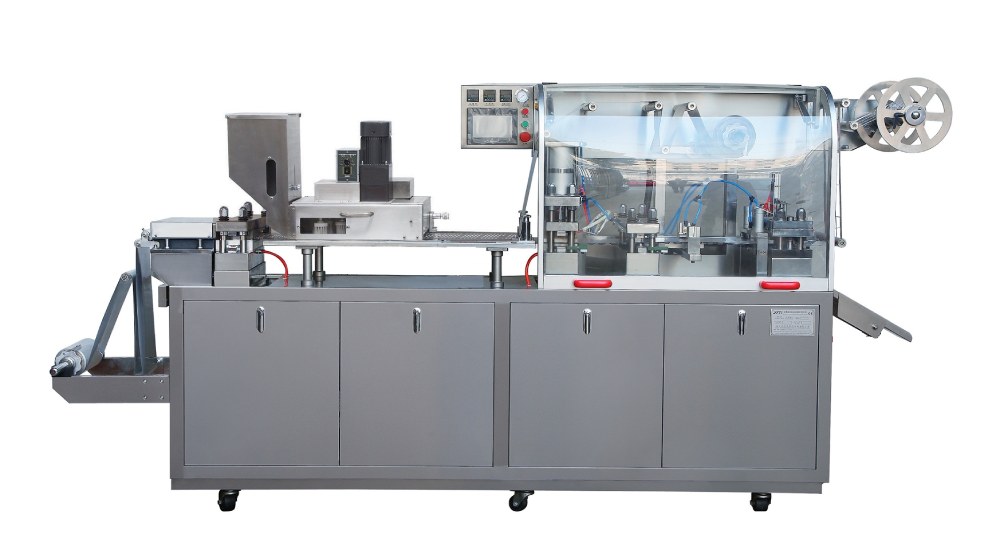
Блистерная упаковка типа «алюминий-алюминий» является предпочтительным выбором для дорогостоящих и особо чувствительных лекарственных препаратов благодаря ряду незаменимых преимуществ:
Превосходные барьерные свойства: Полная защита от водяного пара, кислорода и ультрафиолетового излучения, обеспечивающая максимальную защиту активных фармацевтических ингредиентов, склонных к гидролизу или окислению, и значительно продлевающая срок годности лекарственных препаратов.
Превосходная физическая и химическая стабильностьПрочная алюминиевая конструкция обеспечивает исключительную устойчивость к раздавливанию и проколам, эффективно защищая хрупкие таблетки или капсулы от повреждений во время транспортировки. Алюминий также химически инертен, предотвращая взаимодействие с лекарственным препаратом.
Повышенная безопасность и соответствие нормативным требованиям.: Способствует надежнойДетское защитное отверстие (CR)механизмы и четкиеЗащита от несанкционированного вскрытиядизайн. Его непрозрачность также защищает конфиденциальность пациентов.
Удобный для пациентов: Обеспечивает легкое извлечение таблеток без разрывов, что особенно полезно для пожилых пациентов или пациентов с ограниченной ловкостью рук, улучшая соблюдение режима приема лекарств.
Восприятие бренда и качестваНа европейском и американском рынках блистерная упаковка Alu-Alu часто ассоциируется синновационные препараты, запатентованные фармацевтические препараты и высококачественные дженерикиукрепляя профессиональный и престижный имидж бренда.
Эффективная интеграция с последующим оборудованием является ключом к обеспечению общего объема производства и соблюдению нормативных и рыночных требований после первичной упаковки.
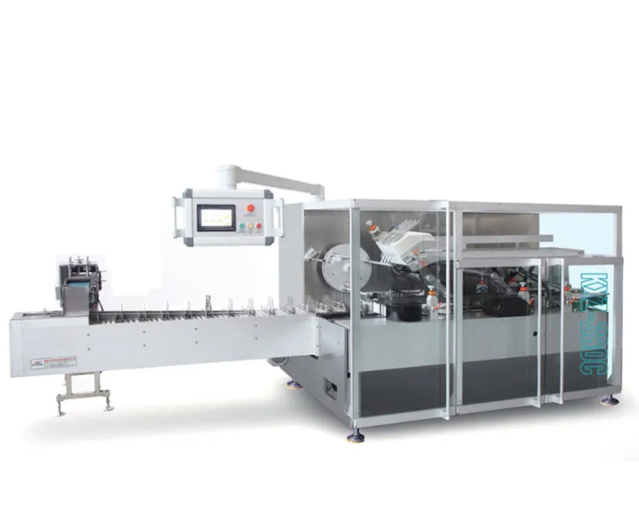
Автоматический картонажный станокСовременный картонажный станок с сервоприводом является центром упаковочной линии. Он должен не только с высокой скоростью (до 500 коробок в минуту) выполнять задачи по сборке коробок, вставке блистеров/лент, вставке листовок и закрытию коробок, но и интегрировать в себяФункциональные возможности сериализации и агрегацииДля соблюдения таких правил, как Закон США о безопасности цепочки поставок лекарственных средств (DSCSA) и Директива ЕС о фальсифицированных лекарственных средствах (FMD), предприятия по упаковке в картонные коробки должны быть оснащены системами машинного зрения для проверки идентификационных кодов продукции на первичной упаковке и печати уникальных кодов.серийные номера, номера партий и сроки годностина каждой коробке, пригодной для продажи, одновременно устанавливая связи с отгрузочными коробками более высокого уровня.
Машина для упаковки в картонные коробкиЭтот аппарат, используемый в основном для безрецептурных лекарств и пищевых добавок, запаивает или склеивает отдельные или несколько блистерных упаковок на предварительно напечатанном картоне. Он включает в себя такие функции, как...точное позиционирование, контроль термосварки и вырубкаГотовая открытка служит важныммаркетинговый инструмент и инструмент обучения пациентов, с четким отображением фирменной символики, инструкций по использованию, символов соответствия и элементов защиты от несанкционированного вскрытия.
Выбор между стриплойной упаковкой и блистерной упаковкой из алюминиевого сплава требует систематической оценки по нескольким параметрам. Вот ключевой сравнительный анализ:
Сравнение эффективности защитыПри использовании алюминиевой фольги в качестве барьерного слоя оба материала обеспечивают чрезвычайно высокие барьерные свойства по отношению к влаге и кислороду. Однако жесткая цельнометаллическая структура блистеров Alu-Alu является...Абсолютно превосходная защита от физических повреждений.(Устойчивость к сдавливанию и ударам), что делает ее особенно подходящей для лекарственных форм, чувствительных к механическим повреждениям, таких как хрупкие таблетки, матричные таблетки или некоторые капсулы. Гибкость стрипов позволяет подвергать содержимое давлению при экстремальных нагрузках.
Сравнение себестоимости и эффективности производстваУпаковка в виде полосок обычно имеет значительное преимущество встоимость материалов и скорость производстваВ нем используются более тонкие и легкие композитные пленки, а производственный процесс отличается высокой степенью непрерывности, относительно меньшей занимаемой площадью оборудования и более низким энергопотреблением. Алюминиевый материал, полученный методом холодной формовки для блистеров Alu-Alu, дорог, процесс холодной формовки, как правило, медленнее, чем процесс термосварки полос, а инвестиции в оборудование выше.
Сравнение использования пациентами и адаптируемости к рынку.: Блистерная упаковка Alu-Alu с механизмом «проталкивания» более удобна, обеспечивая лучший пользовательский опыт. Упаковка в виде полосок требует разрыва, что, хотя и может быть предусмотрено для защиты от детей, может быть несколько менее удобно для некоторых пользователей. С точки зрения позиционирования на рынке, блистерная упаковка Alu-Alu является стандартным выбором длявысококлассные рецептурные и специализированные лекарства; упаковка в виде полосок широко используется длядженерики, отпуск лекарств в больницах, крупномасштабная упаковка и рынки, чувствительные к ценам..
Сравнение интеграции и гибкости производственных линийУпаковочные рулоны в виде лент облегчают высокоскоростную автоматизированную упаковку в картонные коробки и ящики. Жесткие блистерные карты из алюминиевого сплава также эффективны для роботизированного захвата и позиционирования, но могут потребовать более тщательного учета буферизации и ориентации при планировке линии. Для сценариев, требующихвысокая степень индивидуализации(например, материалы для клинических испытаний, комбинированные наборы лекарственных препаратов) стриплойная упаковка позволяет вносить гибкие изменения простым изменением программ печати и резки, в то время как блистеры из алюминиевого сплава требуют дорогостоящей замены пресс-форм.
Сравнение устойчивостиОбе компании сталкиваются с проблемами при переработке композитных материалов. Упаковочная лента имеет свои особенности.относительно меньший углеродный следБлагодаря меньшему количеству используемого материала. Алюминий в блистерах Alu-Alu подлежит бесконечной переработке, но разделение композитных слоев технически затруднительно. В отрасли наблюдается тенденция к разработке однокомпонентных высокобарьерных пластмасс, но они еще не полностью заменили существующие решения.
Выбор не является бинарным, а представляет собой баланс, основанный на конкретном продукте и стратегии.
При выборе блистерной упаковки из алюминиевого сплава следует отдавать приоритет следующим условиям:
Активным веществом вашего лекарства являетсячрезвычайно чувствителен к влаге, кислороду и свету..
Препаратвысокоценный(например, биологические препараты, онкологические лекарства), где затраты на упаковку составляют относительно небольшую долю, а отдача от защиты высшего уровня в виде доверия к рынку и снижения порчи продукции значительна.
Целевой рынок (например, основные рынки рецептурных лекарств в ЕС/США) имеетсильное предпочтениеилинормативные рекомендациижесткая блистерная упаковка.
Лекарственная форма:хрупкийи требует наличия жесткого контейнера для физической защиты.
Для создания бренда необходимо четко донести определенное сообщение.высокое качество и безопасность.
Приоритетное использование полосковой упаковки следует отдавать, если:
контроль затратЭто первостепенный фактор, и вам необходимо найти наиболее экономически эффективное решение с высоким барьером для закупки дженериков или фармацевтических препаратов оптом.
Для данного продукта требуетсячрезвычайно длительные непрерывные производственные циклыи максимальной скорости линии.
Дизайн упаковки должен соответствовать определенным требованиям.высокая гибкостьнапример, переменная дозировка, многокомпонентные комбинации лекарственных препаратов или частая смена продуктовых линеек.
В цепочке поставок делается акцент на...компактное хранение и транспортировкагде лёгкая и гибкая структура ленточной упаковки может значительно снизить логистические затраты.
Данный препарат предъявляет низкие требования к физической защите, но высокие барьерные требования.
Во многих случаях окончательное решение должно основываться на детальном анализе.Анализ общей стоимости владения (TCO)с учетом не только затрат на упаковочные материалы, но и инвестиций в оборудование, операционной эффективности, преимуществ от увеличенного срока годности и потенциальной премии за бренд.
В: Всегда ли блистерная упаковка Alu-Alu более влагостойкая, чем блистерная упаковка?
A:Не обязательно. Ключ к эффективности влагозащитного барьера в обоих случаях заключается в наличии сплошного, бездефектного слоя алюминиевой фольги. Хорошо спроектированная ленточная упаковка с использованием композитной пленки из алюминия может обеспечить показатель паропроницаемости (WVTR) на уровне лучших блистерных упаковок из алюминия (в обоих случаях ниже 0,1 г/м²/день). Основные различия заключаются в физической прочности и форме.
В: Какие наиболее важные аспекты соответствия нормативным требованиям следует учитывать при выборе упаковки для продукции, предназначенной для рынков ЕС/США?
A:Помимо того, что сами упаковочные материалы должны соответствовать соответствующим стандартам (например, USP, EP), наиболее важным аспектом является следующее:сериализация и отслеживаемостьВыбранный вами формат упаковки (особенно его сканируемая поверхность) и встроенный картонажник должны обеспечивать эффективное и надежное нанесение, проверку и агрегирование уникальных серийных номеров на уровне изделия в соответствии с требованиями DSCSA и FMD.
В: Можно ли сделать упаковку в виде полосок защищенной от детей (Child-Resistant, CR)?
A:Да. Благодаря использованию специальных пленочных материалов и термосварочных швов, упаковка в виде стрипов может быть разработана таким образом, чтобы для ее вскрытия требовалась определенная техника и усилие, что соответствует стандартам защиты от детей (например, US 16 CFR 1700). Однако это должно быть сбалансировано с удобством вскрытия для пациентов, особенно для пожилых людей.
В: Какой формат упаковки на производственной линии обычно имеет более короткое время переналадки?
A:Машины для блистерной упаковки обычно быстрее перенастраиваются. Смена продукции в основном включает в себя замену катушек пленки и регулировку параметров запайки, что можно быстро сделать с помощью сервомоторов и сохраненных рецептов. Изменение размера или формы блистера на блистерной машине Alu-Alu часто требует замены дорогостоящих формовочных и режущих матриц, что занимает больше времени.
В: Каковы тенденции улучшения этих двух типов упаковки в отношении экологической устойчивости?
A:Отрасль развивается в двух основных направлениях: во-первых, в разработкеперерабатываемые, однокомпонентные полимерные высокобарьерные пленки(например, прозрачные высокобарьерные пленки на основе полипропилена или полиэтилена) для замены трудноперерабатываемых алюминиево-пластиковых ламинатов. Во-вторых, оптимизация конструкции длясократить использование материалов(например, использование более тонкой алюминиевой фольги, минимизация ширины фланца пузыря). Кроме того, использованиекартон из возобновляемых или переработанных источниковПрименение этого материала для внешней упаковки и картонных коробок является важной экологической инициативой.
Ключевые литературные источники и технические ссылки
Международный журнал фармацевтики: «Водопоглощающая способность упаковочных материалов для фармацевтической продукции».
Общие разделы USP: <671> «Контейнеры — тестирование производительности».
Европейская фармакопея: «Материалы для контейнеров и тары».
Технический отчет Ассоциации производителей парентеральных лекарственных препаратов (PDA): «Сериализация в фармацевтической цепочке поставок».
AAPS PharmSciTech: «Сравнительное исследование блистерной и стрип-упаковки для лекарственных препаратов, чувствительных к влаге, методом холодного формования».

 Jinhai Plaza, No. 21, Jihua 5th Road, Chancheng District, Foshan City, Guangdong Province, China
  +0757 82252350
  +8618613054883
  manager@gdboanmachine.com